
Why Every Small Business Needs a Digital Marketing Plan for Sustainable Growth
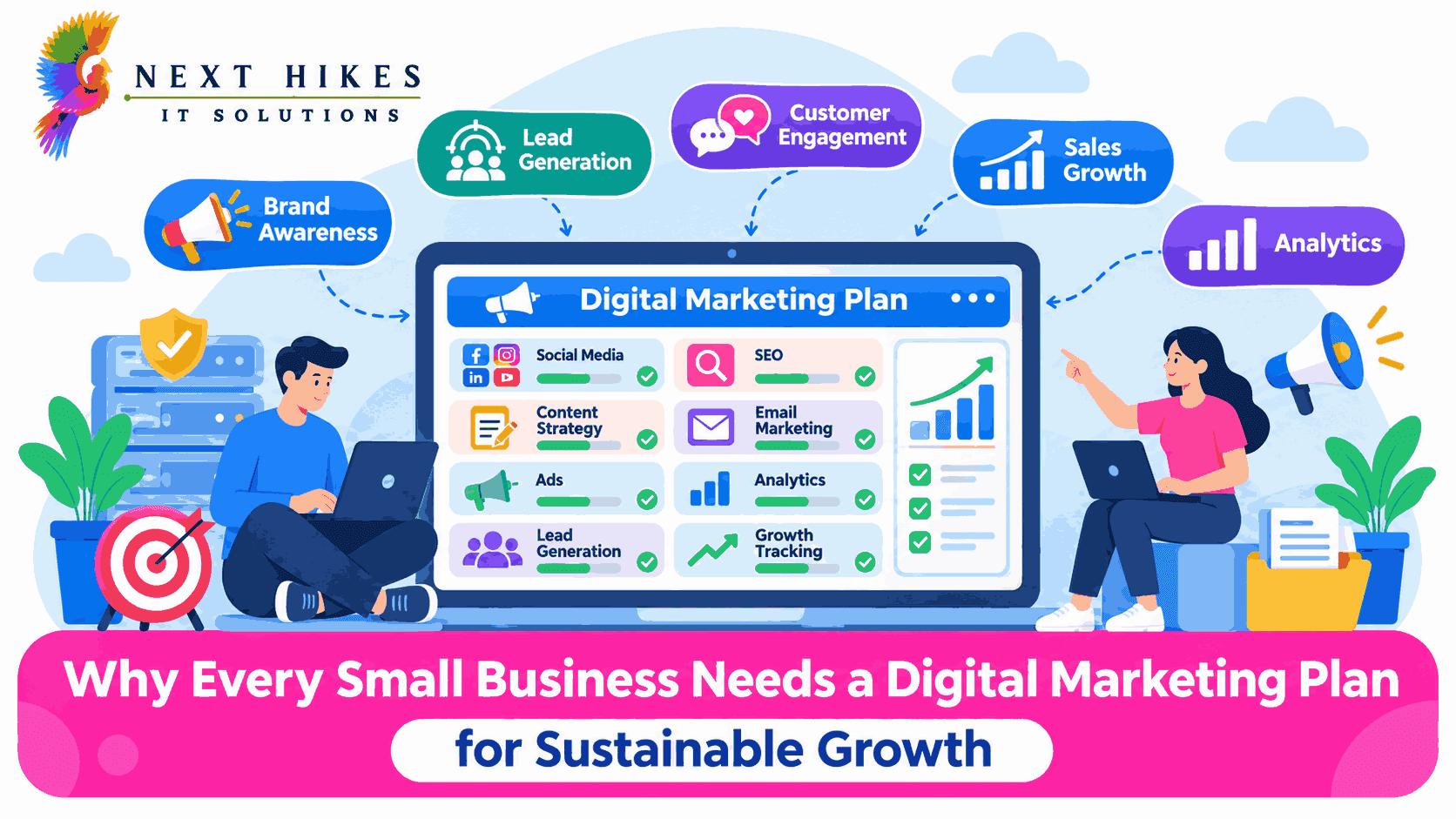
If you own a small business you are likely to be involved in many areas of the business, such as sales, customer service, operations and marketing. Often marketing is the first area to fall by the wayside during a busy week. You might post something on social media, leave your website unused for two years and pay for some ads that aren’t really considered much. This can lead to just doing work without any strategy.
A digital marketing strategy for small businesses can be really useful. Most customers will look online before purchasing something. Whether it’s a plumber, accountant, bakery or IT service provider. If your business is easy to find and clear on what you offer, you have a massive advantage. Digital marketing for small businesses isn’t about doing everything. It’s about being strategic and ensuring that the correct people can find your business.
What Is a Digital Marketing Plan?
A digital marketing plan is a written roadmap that explains how a business will use online channels to reach its goals. It identifies who you want to reach, which channels you will use, what messages you will share, how much you will spend, and how you will measure results. Think of it as a business plan for your marketing activity.
Without a plan, marketing tends to be reactive. A business might try a new platform because a competitor is on it, or run a discount because sales were slow last month. With a plan, every activity has a purpose. A local café, for example, might decide that its goal is to fill quiet weekday afternoons, so its plan focuses on nearby customers, appealing photographs, and offers timed for those hours. The plan keeps the business focused on what matters.
Why Digital Marketing Is Important for Small Businesses
Digital marketing has many benefits. Your customers are now all online looking at their phones to compare products, read reviews, get recommendations from friends via social media and browse websites. If you are not available in these areas then you won’t be seen by potential buyers.
Small businesses can benefit from being able to adapt to the way they market themselves. With traditional marketing there is often a big commitment required to know if it will work. However, with online marketing you can begin on a smaller scale and adapt depending on the reactions you get. By showing your work, providing customer feedback and openly answering questions you can gain trust. This creates visibility over time, helps create credibility and gain enquiries from people that are already interested in what you provide.
How a Digital Marketing Plan Helps Small Businesses Grow
Most of the time, your growth will come down to the accumulation of many small but consistent actions towards the same goal. Having a plan allows you to be consistent. Once you have a clear understanding of your goals, you’ll be able to make decisions on how to allocate your time. This can have a massive effect on how your business operates. A business who wants to increase their enquiries will operate very differently to a business looking to launch a new product or enter a new city.
With a plan you will be less likely to get distracted. There is always something new coming along whether it be a new platform, trend or tool. However many of these won’t be relevant to your business. A clear strategy will help you to ignore those things which don’t align with your goals. A great strategy for growing your business is a clear marketing plan. This helps you to ensure you are doing consistent work everyday which will result in real results such as more people visiting your website, getting more calls or having more returning customers.
Understanding Your Target Audience and Customer Needs
All great marketing starts with knowing your people. Before deciding which channels and content to use, it is important to know who your customers are, what their pain points are and how they search for solutions. A family friendly dentist will have very different customers to an accounting software provider. The messaging should reflect this.
The best way to get to know your audience is to listen to your existing customers. What do they commonly ask? What made them choose you? What nearly put them off? Customer reviews, emails and shop/office conversations are all great ways to get to know their needs. Once you know their needs, your website, social media and adverts can all be tailored to them. This creates marketing that is genuine and helpful.
Building a Strong Online Presence
Your online presence is the way in which your business will be viewed by the wider world. This includes your website and any business profiles on search engines/maps, social media pages and customer reviews. The way in which these are presented should be consistent, accurate and professional.
Your Website as the Foundation
A website will be the hub of most small business. It needs to run quickly, be mobile friendly, clearly set out and easy to contact. Potential clients should know what you do and what to do next within a few seconds of visiting your site. If your website has old information, broken links or is confusing, you will lose potential clients.
Local Listings and Reviews
If you serve a specific area, keeping your business listing accurate matters a great deal. Correct opening hours, addresses, phone numbers, and photographs help customers find you. Genuine reviews add trust, and replying to them politely, including the critical ones, shows that you care about your customers.
The Role of SEO in Increasing Online Visibility
Search Engine Optimisation (SEO) is the process of improving your website so that search engines can easily understand and suggest. This will help to decide if your business appears in the results when someone searches for something they need or want. It can be very beneficial for small businesses as it attracts people who are searching for what you provide.
Great SEO does not involve any tricks. If you have easy to read pages using the right keywords, an organised website, quick loading times and helpful content then you will benefit. A small furniture workshop may have pages explaining the different types of woods they use and how best to care for their handmade furniture. This will attract people to your website as they will find the information helpful. Although SEO takes patience it will generally improve over time.
How Social Media Marketing Helps Small Businesses
Social media provides an excellent opportunity for small businesses to connect with their communities. It should be used to provide an authentic and conversational approach to marketing. Sharing real-life moments, answering questions, celebrating your customers and showing how your product/service is used will help your audience to feel closer to your brand.
Choosing the correct platform can really make a difference. A visual based business like a boutique or restaurant may benefit from using a visual based social media platform whereas a professional services business may benefit from using a platform used by professionals. Keeping your content on one or two relevant platforms will give you a more consistent presence. Keeping your content consistent and engaging regularly will help customers become familiar with your brand which will make them feel more comfortable purchasing.
The Importance of Content Marketing and Brand Awareness
Content marketing involves creating content to answer questions your audience may have. This can come in the form of blogs, guides, videos, newsletters and examples of real work you have done. The goal is to showcase your knowledge and make yourself trustworthy.
The content will help with your brand awareness. If people are regularly coming across helpful content from your business they will start to remember your name and know you are an expert. An example could be if you run a small IT support business and explain common security risks in a simple way, you will become the obvious choice for a business owner to contact. The content can also be used across other channels. One piece of content can inspire social media posts, emails and visibility on search engines.
Using Paid Advertising to Reach Potential Customers
Paid advertising can help you gain visibility much quicker. Placing your business in search helps to target those actively searched for a service. Whereas placing ads on social media allow you to target certain audiences based on location, interests etc. When used correctly paid advertising can help with launching a new product/offer, seasonal offers or when you need more inquiries quicker.
However, it is best to use paid advertising as part of a strategy. If you are not careful you will be wasting money by driving traffic to an un-designed page or targeting a large audience. Start with a small budget and experiment with your message. You can review how you are doing regularly so you know what is working before investing more. Many companies will find by using both paid and organic advertising you will receive better results.
How Digital Marketing Helps Small Businesses Compete with Larger Brands
While big companies will have larger budgets, small businesses offer many benefits that are hard to replicate. Being able to provide a personal touch, know the local market inside out and being able to be flexible. Small businesses will often rank higher in local searches due to being a much more relevant option for local customers. You can deliver genuine stories, a personal service and reply to any queries within minutes. Using digital platforms means you’re on an even playing field to showcase these benefits. If you have a clear website, good reviews and useful content then customers are likely to choose you over a larger company.
Tracking Marketing Performance and Understanding Customer Behaviour
By using analytics tools you can track how many people are visiting your website, what pages they are looking at and how they got there and where they left. You can get this information from social media platforms and advertising dashboards.
You aren’t looking to get every single piece of data but to understand what pages are driving people to get in touch, what posts are getting people talking and what adverts are bringing in real leads. Having an understanding of how customers interact with your brand will help you fine-tune your messaging and improve your website. Taking a quick look each month will give you an idea of trends that can help you make more informed decisions.
Common Digital Marketing Mistakes Small Businesses Should Avoid
Some common mistakes include not having clear goals to measure your success against, attempting to be on too many platforms which will result in a lack of quality and inconsistency. Many companies also forget about their website and focus on driving traffic but not making it easy for potential customers to move forward.
Some other common mistakes are not focusing on mobile users, not looking at customer reviews and expecting quick results. Digital Marketing is very much a long term game so patience is key and being consistent. You can easily get lost by copying competitors without knowing who your audience is. Learning from these mistakes early on will save you money and frustration.
How to Create an Effective Digital Marketing Strategy for Long-Term Growth
A good digital marketing strategy will start with a few honest questions – what would you like to achieve in the next year? Who are you targeting? What makes you unique? From there you can decide which platforms are best suited to your audience and what your resource allows. You’ll also need to plan a realistic content calendar and decide on your budget.
Once in place ensure that you have a solid website, correct listings and regular useful content. Social media and advertising can be included depending on how much resource you have. Every month/quarter take a look at your results and make any changes. A strategy should be a living document that gets better as you learn more about your customers. Having an experienced partner can help to quickly get this in place if you have limited time/expertise internally.
The Future of Digital Marketing for Small Businesses
The digital world is evolving. Search functions are becoming more conversational, short-form video is increasing, customers want more instant and personal interactions and automation tools are making email, scheduling and customer follow ups easy to manage for small teams.
However, some core aspects stay the same. Customers will always like businesses that are helpful, transparent and easy to find. Small businesses that make an effort to really understand their customers and implement the new tools in a thoughtful way will be set up for success. Curiosity and learning are more important than jumping on every trend.
Conclusion
Every small business, whatever its size or industry, benefits from knowing where it is heading and how it will get there. A digital marketing plan for small business gives you that clarity. It helps you understand your audience, build a trustworthy online presence, use SEO, social media, content, and advertising wisely, and measure what is working so you can keep improving.
You do not need to do everything at once. Begin by reviewing your website, claiming your business listings, setting one or two clear goals, and deciding how you will track progress. If you need support, a professional digital marketing team can help you build a plan that fits your budget and ambitions. The sooner you take these practical steps, the sooner your business can start attracting the customers it deserves.

Harsh Gupta
Sr.Digital Marketing ExecutiveWith 3+ years of experience in digital marketing, specializes in SEO, social media marketing, paid campaigns, and brand growth strategies. Skilled in creating result-driven marketing campaigns that improve online visibility, audience engagement, and lead generation. Passionate about helping businesses grow through innovative digital solutions, performance marketing, and data-driven decision-making. Known for delivering creative strategies, strong communication, and measurable business results.
Related Articles
More from the world of Digital Marketing
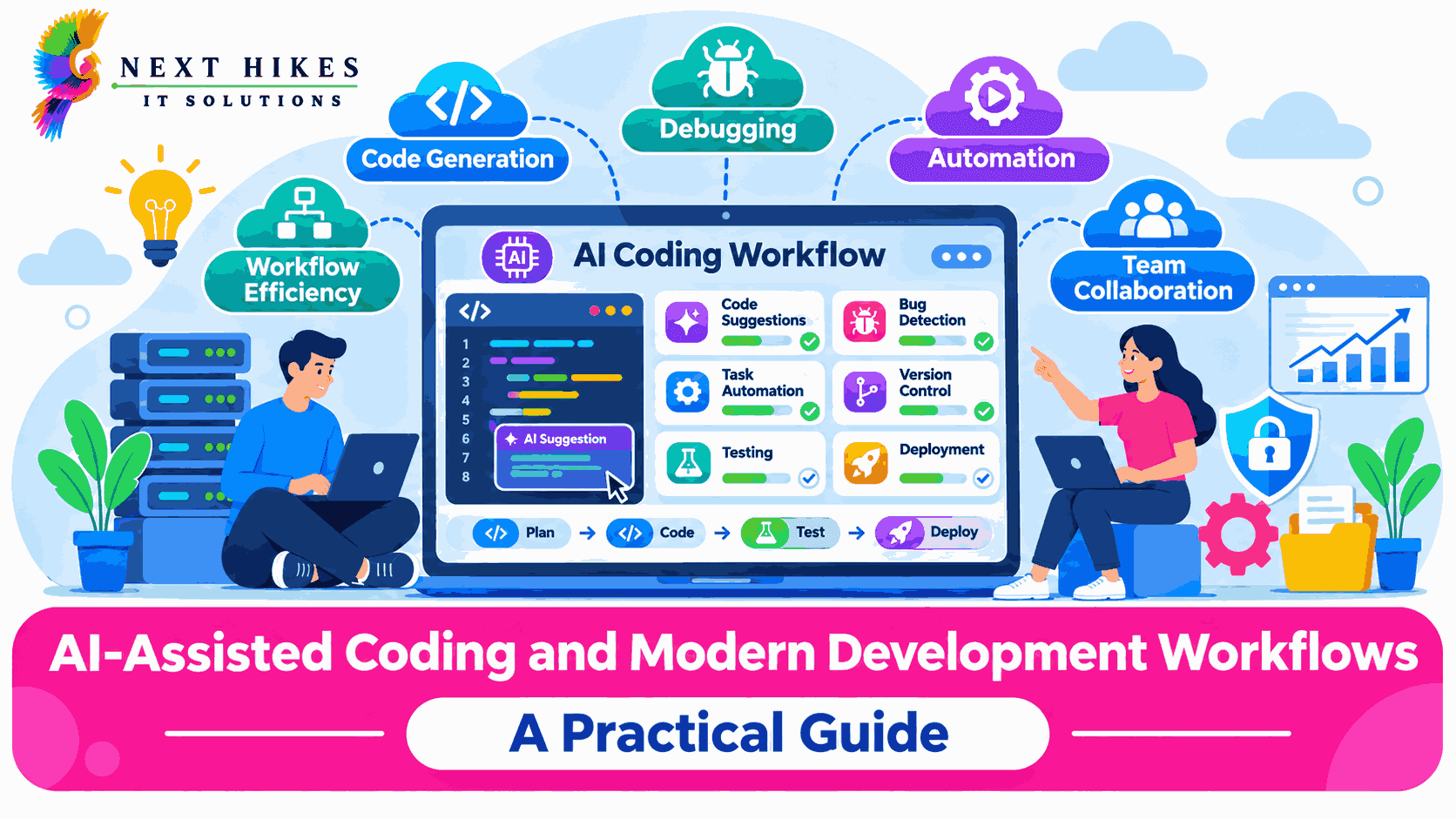
AI-Assisted Coding and Modern Development Workflows: A Practical Guide
AI-assisted coding is transforming modern software development by improving productivity, simplifying coding tasks, and streamlining workflows. Discover how AI coding tools help developers write, debug, test, and optimize code while combining automation with human expertise.
 Harsh Gupta
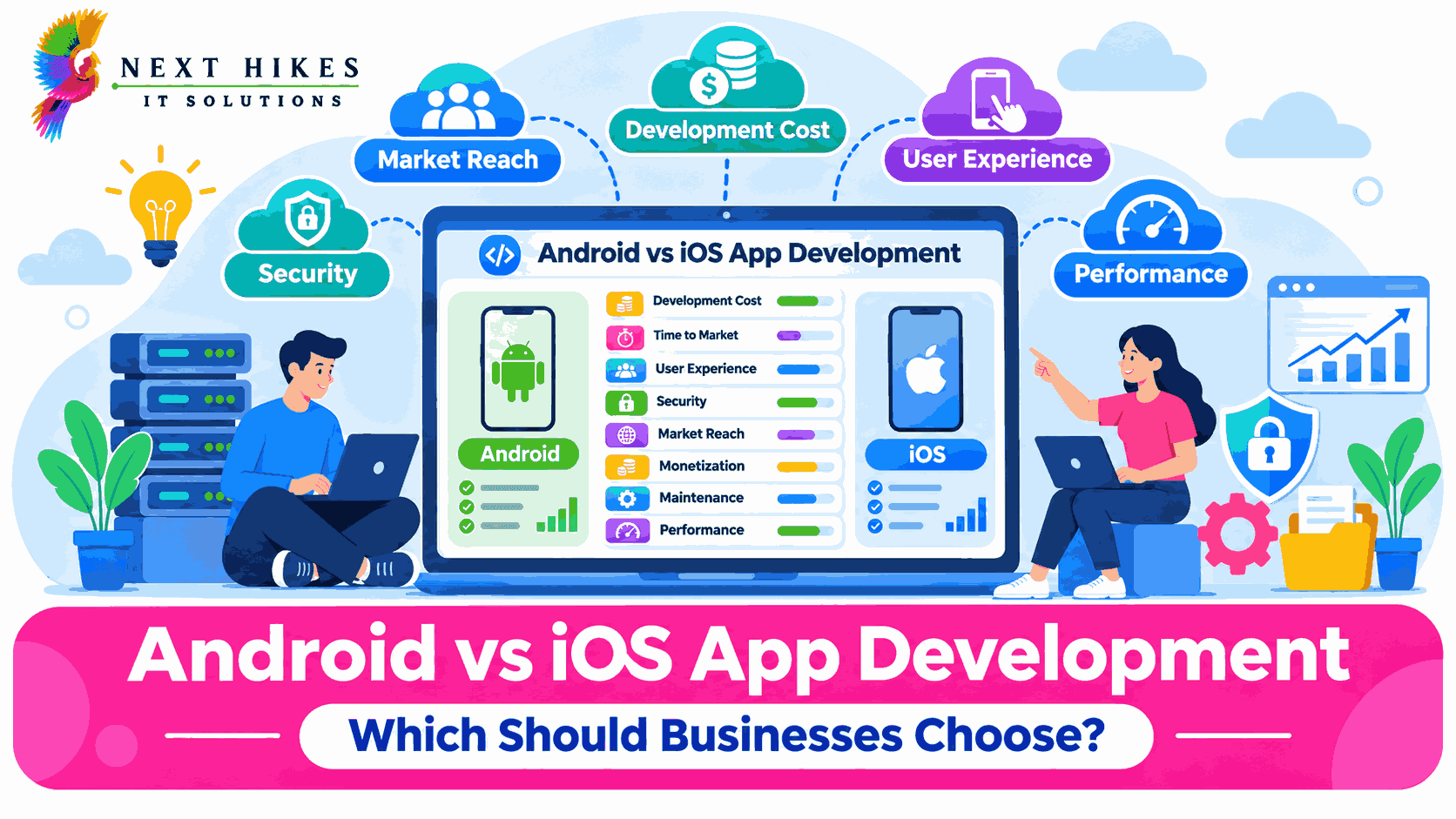
Android vs iOS App Development: Which Should Businesses Choose?
Compare Android and iOS app development to understand their costs, features, security, and benefits. Discover which platform best suits your business goals and target audience.
Harsh Gupta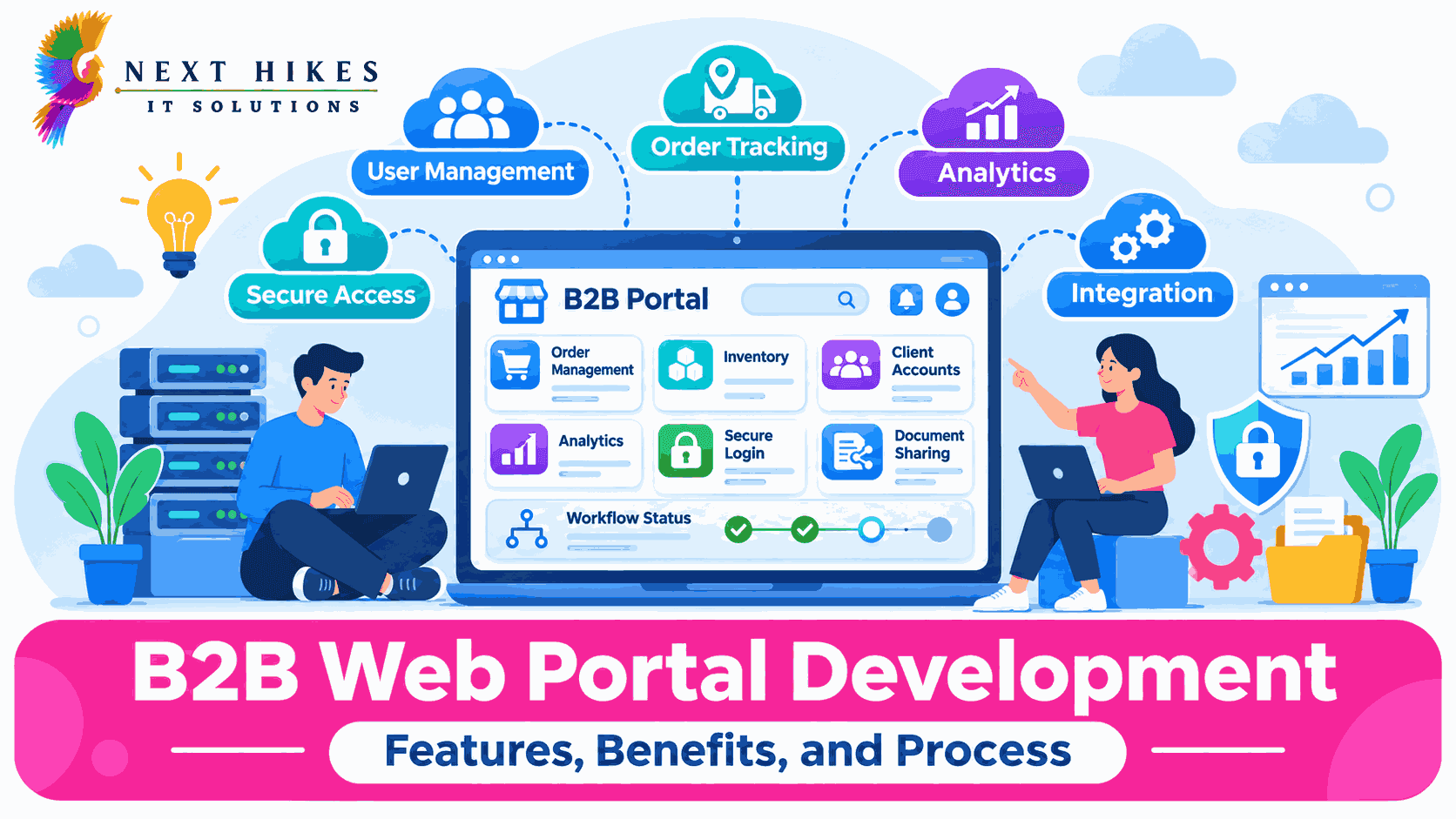
B2B Web Portal Development: Features, Benefits, and Process
Build smarter B2B portals for business growth.
Harsh GuptaDo You Have Any Questions?
Before launching any application or platform, there are always key questions to consider. Here are some of the most common ones we address.
It is a written roadmap that explains who you want to reach, which online channels you will use, how much you will spend, and how you will measure results.