

B2B Web Portal Development: Features, Benefits, and Process
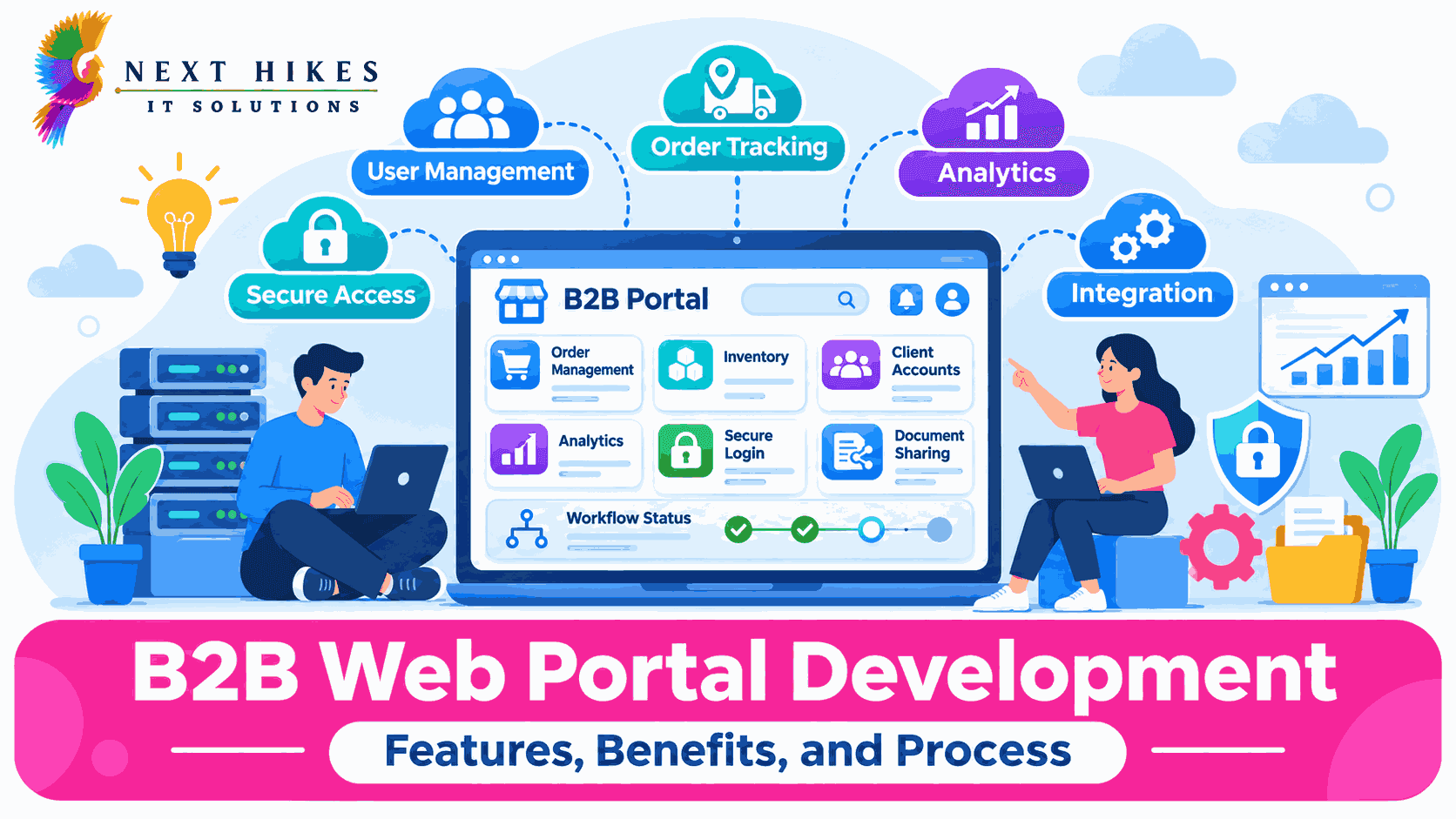
Many B2B companies still run ordering, quoting and account support through email threads, spreadsheets and phone calls. That works at a small scale, but as customers, suppliers and product lines grow, delays and errors multiply.
B2B web portal development solves this by giving every business partner a secure, self-service workspace connected to your internal systems. A well-built portal helps you manage transactions, streamline operations, improve communication and build stronger business relationships.
This guide explains what a portal is, the main types, key features, benefits, the development process, technologies, costs and how to choose the right partner.
What Is B2B Web Portal Development?
B2B web portal development is the process of designing and building a secure online platform where businesses transact and collaborate with their customers, suppliers, distributors or partners.
Understanding a B2B Web Portal
A B2B web portal is a login-based platform that gives approved business users the tools and information they need: product catalogs, contract pricing, orders, invoices and support. Unlike a public website, it is built around ongoing relationships rather than one-time visits.
How Does a B2B Portal Work?
Users sign in with role-based accounts, so a buyer, an accountant and a warehouse manager each see different data. The portal connects to backend systems such as ERP, CRM and inventory software, which keeps prices, stock and order status current.
For example, a distributor can reorder a product, check delivery status and download an invoice without calling anyone.
Types of B2B Web Portals Businesses Can Development
The right portal depends on who needs access and what they need to get done.
B2B Customer Portals
A B2B customer portal lets existing clients view orders, download invoices, track shipments and raise support requests, which reduces back-and-forth with your team.
Supplier and Vendor Portals
Supplier portal development focuses on procurement: purchase orders, delivery schedules, compliance documents and invoice submission in one place.
Distributor and Dealer Portals
These give resellers access to dealer pricing, stock availability, marketing material and order history, keeping channel partners aligned.
B2B E-commerce Portals
A B2B e-commerce portal adds online ordering with bulk purchasing, quick reorder, quotes and credit-term checkout. If you already sell through a public store, e-commerce website development can extend it into a business-only portal.
Employee and Partner Portals
These centralize documents, training and announcements so internal teams and partners work from one source of truth.
Essential Features of a Successful B2B Web Portal
Strong B2B portal features remove friction from everyday work for both your team and your partners.
User Registration and Role-Based Access
Companies can register several users with different permissions, such as buyer, approver or finance. Role-based access keeps sensitive pricing and data visible only to the right people.
Product Catalog and Pricing Management
Customer-specific catalogs, tiered pricing, discounts and bulk rates let each client see only what applies to them.
Order and Inventory Management
Real-time stock visibility, quick reorder, order history and shipment tracking cut down on "where is my order?" calls.
Secure Payment and Invoice Management
Support for purchase orders, credit terms and online payments, along with downloadable invoices and encrypted transactions, keeps billing simple and safe.
CRM and ERP Integration
Syncing the portal with existing systems avoids double data entry and keeps customer, pricing and stock data consistent. This is where CRM development and ERP software development expertise matters most.
Real-Time Communication and Notifications
Alerts for order updates, approvals and low stock, plus built-in messaging or ticketing, keep everyone informed without long email threads.
Analytics and Reporting Dashboard
Dashboards for sales trends, order patterns and outstanding invoices help managers act on facts rather than guesses.
Mobile-Friendly Interface and User Experience
Buyers and field teams often order from phones and tablets. Clear navigation, fast search and responsive layouts make the portal easy to adopt.
Key Benefits of B2B Web Portal Development
The B2B portal benefits below show up across sales, finance, operations and customer service.
Streamlines Business Operations
Orders, approvals, documents and payments move through one workflow instead of scattered tools and inboxes.
Improves Communication Between Businesses
A shared platform gives both sides one place for updates, questions and records, so fewer details get lost.
Reduces Manual Work and Operational Costs
Self-service ordering and automated invoicing free staff from repetitive data entry and routine follow-ups.
Enhances Customer and Partner Experience
Buyers can order, reorder and find information at any hour, which builds trust and loyalty.
Speeds Up Order Processing
Orders flow straight into your systems without re-keying, so fulfillment starts sooner and errors drop.
Provides Better Business Insights
Centralized data reveals top products, buying cycles and slow-paying accounts.
Supports Business Growth and Scalability
A scalable portal can add new customers, products, regions and integrations without rebuilding your processes.
B2B Web Portal Development Process: Step by Step
A clear B2B web portal development process keeps scope, budget and timelines under control.
Step 1 – Understand Business Requirements
The team studies your users, workflows, pain points and goals. Interviews with sales, finance and operations show what the portal must replace or improve.
Step 2 – Define Portal Features and Functionality
Requirements become a prioritized feature list. Starting with a focused first release is usually wiser than building everything at once.
Step 3 – UI/UX Design and Wireframing
Wireframes and prototypes map how users move through the portal. Professional UI/UX design services help make complex tasks, like bulk ordering, feel simple.
Step 4 – Frontend and Backend Development
Developers build the interface users see and the server logic behind it. Experienced web development services teams deliver both in iterations so you can review progress.
Step 5 – Third-Party API and System Integration
B2B portal integration connects the portal to ERP, CRM, payment gateways, shipping providers and accounting tools. Dedicated API integration services keep data flowing reliably.
Step 6 – Testing and Quality Assurance
Testers check functionality, performance, security and device compatibility, and real users often validate key workflows before launch.
Step 7 – Deployment and Ongoing Maintenance
The portal goes live on secure hosting, ideally with user training. Afterward, monitoring, updates and support keep it dependable.
Technologies Used for B2B Web Portal Development
The right technology depends on your traffic, integrations and in-house skills.
Frontend Technologies
React, Angular and Vue.js build the screens users interact with. React suits dynamic dashboards, Angular works well for large structured applications, and Vue.js offers a lightweight, flexible option.
Backend Technologies
The backend runs business rules, security and integrations. Node.js handles many simultaneous requests, Python suits data-heavy logic and automation, PHP is a proven choice for e-commerce, and .NET fits enterprises already on Microsoft systems.
Database Technologies
MySQL and PostgreSQL store structured records such as orders, invoices and customer accounts. MongoDB suits flexible data, like product attributes that vary by category.
Cloud Hosting and Security Technologies
Cloud platforms such as AWS, Azure or Google Cloud provide scalable hosting. Encryption, HTTPS, multi-factor authentication and regular backups protect business data.
Factors That Affect Development Cost
- Number and complexity of features
- Custom workflows, such as approvals or tiered pricing
- Integrations with ERP, CRM, payment and shipping systems
- UI/UX design depth
- Security and compliance requirements
- Expected users, data volume and scalability needs

Harsh Gupta
Sr.Digital Marketing ExecutiveWith 3+ years of experience in digital marketing, specializes in SEO, social media marketing, paid campaigns, and brand growth strategies. Skilled in creating result-driven marketing campaigns that improve online visibility, audience engagement, and lead generation. Passionate about helping businesses grow through innovative digital solutions, performance marketing, and data-driven decision-making. Known for delivering creative strategies, strong communication, and measurable business results.
Related Articles
More from the world of Website Development
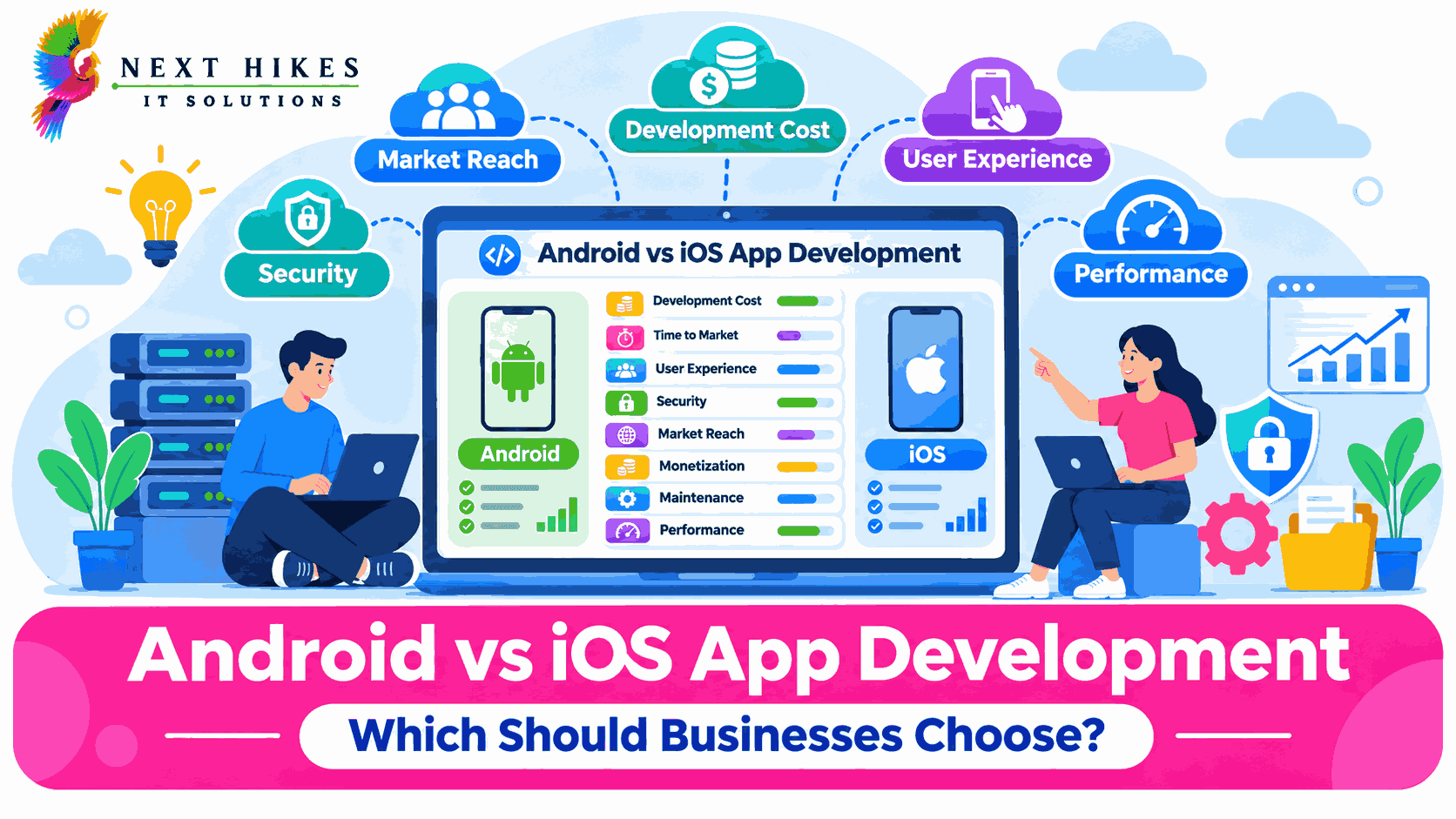
Android vs iOS App Development: Which Should Businesses Choose?
Compare Android and iOS app development to understand their costs, features, security, and benefits. Discover which platform best suits your business goals and target audience.
 Harsh Gupta
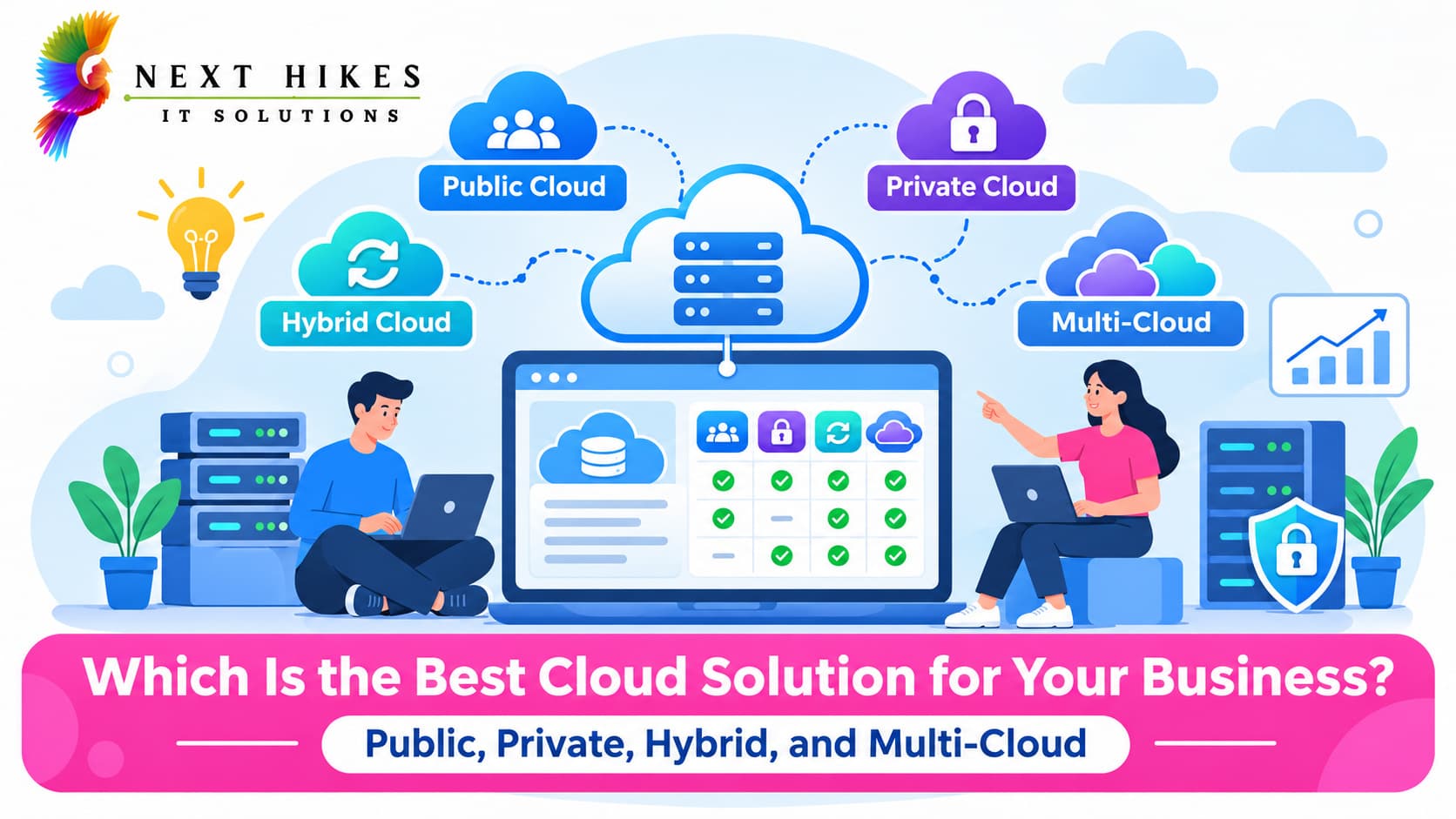
Which Is the Best Cloud Solution for Your Business: Public, Private, Hybrid, and Multi-Cloud ?
Choosing the Right Cloud Solution
Harsh Gupta
Importance of UI/UX Design in the App Development Process
Better Apps Through Great UI/UX Design
Harsh GuptaDo You Have Any Questions?
Before launching any application or platform, there are always key questions to consider. Here are some of the most common ones we address.
It gives business partners a secure place to order, track, pay and communicate, while reducing manual work for your team.